
As the holidays approach, something special fills the air. The days grow shorter, lights shimmer ever more brightly in the windows, and kitchens come alive with those familiar aromas that draw us back each year to the magic of childhood Christmases. During this festive season, many of us long for new experiences that do not break with tradition, yet still bring a fresh, exciting touch to family gatherings and the holiday table. Italian cuisine is perfectly suited to this purpose, having for centuries stood as one of the finest expressions of harmony, joy, and the art of shared dining.
The essence of Italian gastronomy lies in natural, high-quality ingredients and in a light elegance that elevates even the simplest dish into a celebration. It is not excessive, not heavy, and never overpowering—yet every bite carries the promise of Mediterranean sunshine, joie de vivre, and intimate togetherness.
The atmosphere of a mediterranean celebration: What makes a menu truly Italian?
The soul of Italian festive dishes is not found solely in the ingredients. Atmosphere plays an equally important role: the laid table, the time spent together, carefully selected wines, and good conversation all contribute to the experience we know as la dolce vita. In Italy, a festive menu is often a long, multi-course feast, where each dish becomes a small celebration in itself. For this reason, evoking an Italian atmosphere requires only a few simple yet conscious choices: working with fresh, high-quality ingredients; giving dishes character with Mediterranean herbs; keeping flavors light and refined rather than heavy; and selecting wines that harmonize with the menu. A casually elegant presentation is the finishing touch.
This feeling can be especially well experienced in restaurants that embody the Italian lifestyle not only through their food but through their entire concept. In Budapest, Oinos Bistro and Wine Bar offers just such an experience, where soft lighting, the diversity of Italian wines, and modern interpretations of traditional dishes create the warmth and intimacy so many of us seek during the colder months. But now let us turn to the home table and see how we can build our own Italian-inspired festive menu.
The starter fresh and captivating
A Mediterranean festive table cannot exist without antipasti, so it is worth beginning with a starter that is light, visually striking, and elegant. Burrata with pomegranate and pistachio is a perfect choice. The creamy, delicate, snow-white burrata provides an ideal base, complemented by the ruby-red pomegranate seeds and the crunchy texture of bright green pistachios. Placed on a large flat plate, drizzled with extra virgin olive oil, sprinkled with this refined combination of fruit and nuts, and finished with a few fresh basil leaves, the dish becomes almost a festive decoration in itself. Those who enjoy a more pronounced sweetness can add a few drops of balsamic glaze. This starter is quick and elegant, fresh yet festive—creating a true Mediterranean mood from the very first bite.
The first course pure indulgence
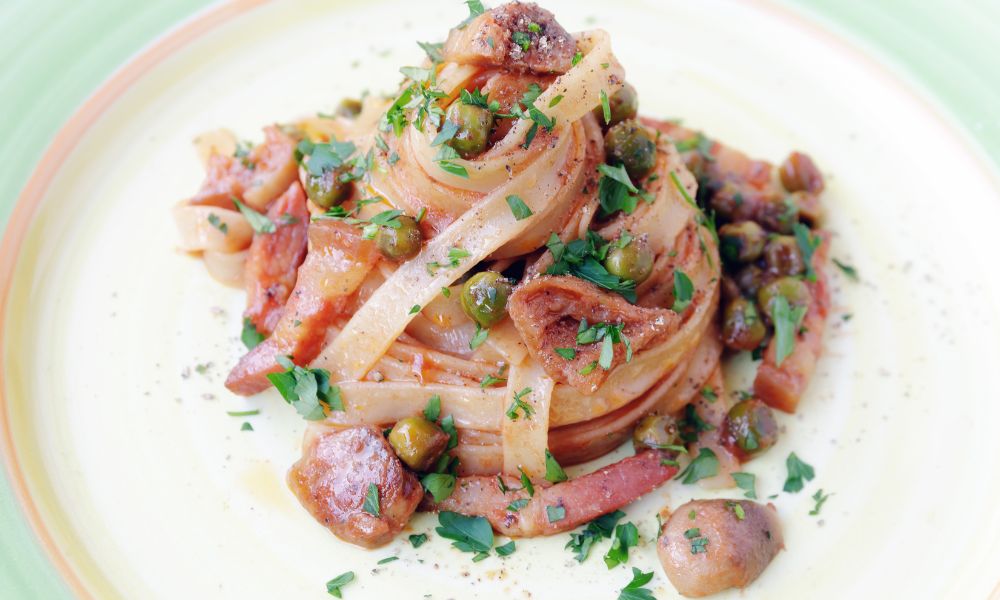
One of the highlights of an Italian festive menu is usually pasta, which focuses not on overcomplicated sauces but on refined, well-balanced flavors. Tagliatelle with porcini cream is an ideal choice for a winter holiday dinner, as the deep, earthy aroma of porcini mushrooms instantly creates a warm, intimate atmosphere. Dried porcini should first be soaked to rehydrate them, then sautéed in butter with a little garlic and parsley. When the cream turns into a silky sauce and freshly grated Parmesan melts into it, the freshly cooked tagliatelle is folded in so that each strand is coated in the rich sauce. The dish is both rustic and elegant, evoking the festive winter cuisine of northern Italy’s mountain regions.
The main course elegance itself
If you are looking for a truly special main course, salt-baked sea bass is sure to impress your guests. While it may seem complicated at first glance, it is actually very simple to prepare. The secret lies in a mixture of coarse sea salt and egg whites, which forms a paste that completely encases the seasoned fish. During baking, the salt crust creates a protective shell, ensuring that the sea bass remains juicy, tender, and full of flavor inside. Cracking open the crust at the table is a celebration in itself—dramatic, exciting, and a genuine culinary experience.
The dessert fresh and unforgettable
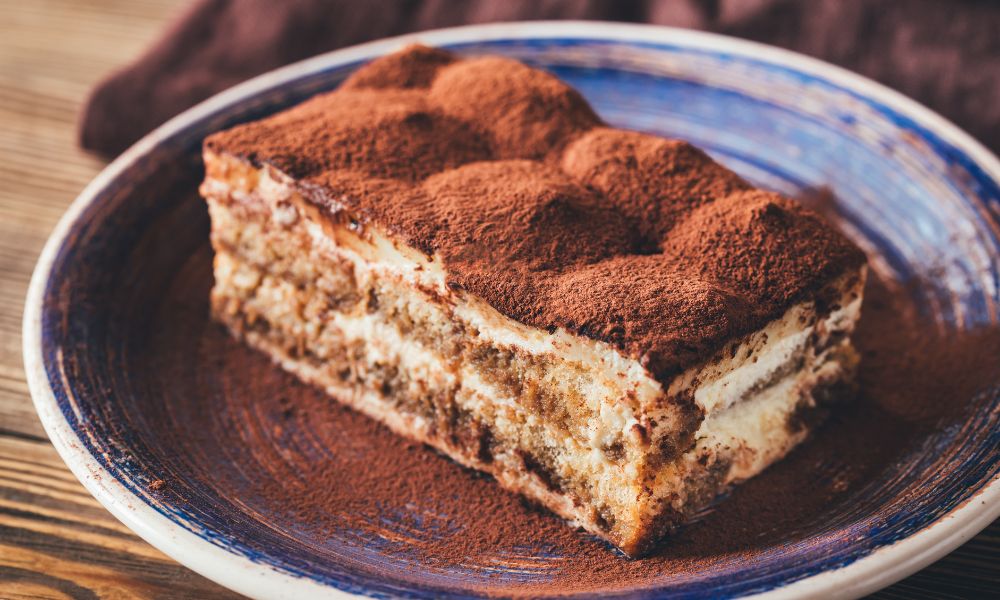
The holidays would not be complete without dessert, and what could give the festive table more Italian character than tiramisu? The classic recipe, however, can be reimagined with seasonal fruit. Mandarin is a perfect choice—fresh, fragrant, and light—making this citrus version of tiramisu even more festive than the traditional one.
This time, dip the ladyfingers not in coffee but in freshly squeezed mandarin juice, which instantly gives the base a unique, refreshing aroma. Lighten the mascarpone with cream and a little powdered sugar, then enhance it with grated orange zest. Mandarin segments are hidden between the layers, further intensifying the freshness. The dessert is at its best if left to rest overnight in the refrigerator, resulting in a light, aromatic, festive sweet the next day—pleasant even after a substantial menu.
Wine pairings for the Italian-inspired festive menu
An Italian-inspired menu would not be complete without the right wines. The freshness of burrata pairs beautifully with a light, sparkling Prosecco or an elegant Verdicchio, neither of which overwhelms the delicate creaminess of the cheese. Tagliatelle with porcini mushrooms is well matched with a medium-bodied Pinot Nero or a characterful Barbera, both of which complement the earthy notes of the mushrooms. The clean, refined flavors of salt-baked sea bass call for a crisp Vermentino or a Gavi, whose elegant acidity highlights the freshness of the fish. For mandarin tiramisu, an aromatic, slightly sweet Moscato d’Asti is the ideal companion, gently harmonizing with the citrus notes of the dessert.
Atmosphere, presentation, experience – the essence of an Italian celebration
An Italian festive menu is more than a collection of dishes; it is a way of life. For Italians, celebration is primarily about community and harmony—people gathering around the table, enjoying good company, conversation, and the seamless unity of food and wine. Mediterranean festive dishes are not complicated but purposeful, simple, and prepared with care. Quality ingredients, fresh herbs, and light elegance transform every course into a celebration.
Buon appetito and happy holiday preparations!
Frequently asked questions about festive italian menu
1. Why is Italian cuisine a good choice for a festive menu?
Italian cuisine respects tradition while offering fresh, light solutions for the holiday table. The focus is on high-quality ingredients, simple and refined flavors, and the joy of shared dining, resulting in dishes that are not heavy yet still festive and memorable.
2. What makes the atmosphere of a festive menu truly “Italian”?
It is not only about the dishes, but the entire experience: a multi-course menu, the use of Mediterranean herbs, carefully selected wines, casually elegant presentation, and time spent together. Together, these elements create the festive la dolce vita atmosphere.
3. What starter is ideal for an Italian festive dinner?
A light, visually appealing antipasti is an excellent choice, such as burrata with pomegranate and pistachio. This starter is fresh, quick to prepare, yet elegant, and sets the Mediterranean tone from the very first bite.
4. Why is salt-baked sea bass considered a special main course?
The salt crust preserves the fish’s juiciness and aromas while providing a spectacular presentation. Although elegant and festive, it is surprisingly simple to prepare, making it a confident choice even at home.
5. How can an Italian dessert be made festive and unique?
By reimagining a classic tiramisu with seasonal fruit such as mandarin, the dessert becomes fresh, light, and distinctive. Citrus notes lighten the sweetness, making it especially enjoyable after a rich festive meal.